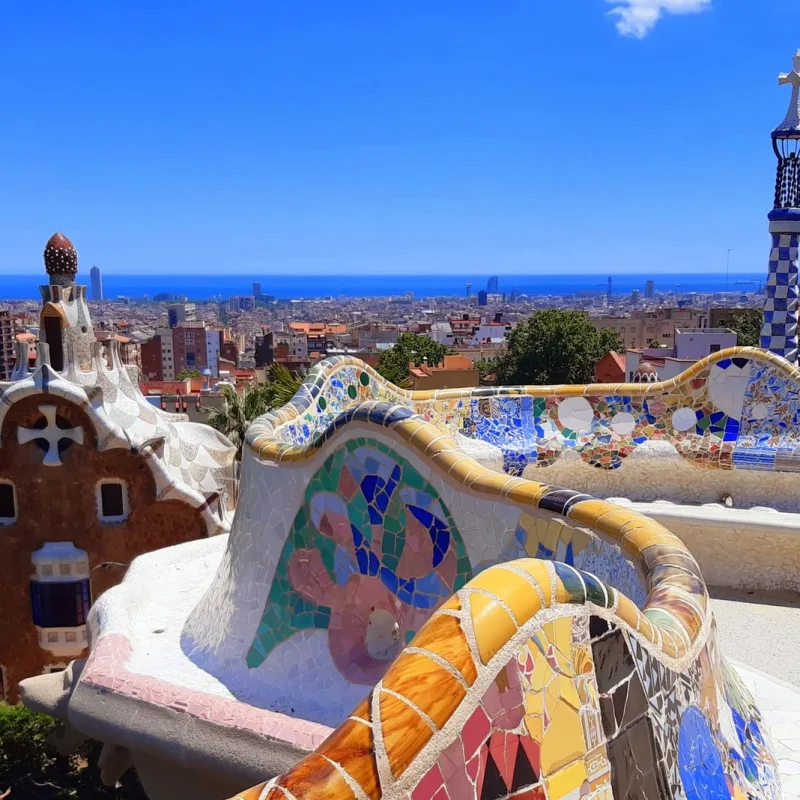
Why Barcelona?
Barcelona, founded as Barcino by the Romans, grew under
Visigothic, Moorish, and later Frankish rule. In the medieval
period, it thrived as a key trade hub in the Crown of Aragon but
declined after Spain's unification in the 15th century.
In the 19th and 20th centuries, Barcelona became an industrial and
cultural center, playing a major role in Catalan nationalism.
After Franco's dictatorship, the city flourished, with the 1992
Olympics boosting its global status. Today, it is known for
Gaudí's architecture, a vibrant arts scene, and strong Catalan
identity.
Where to go?
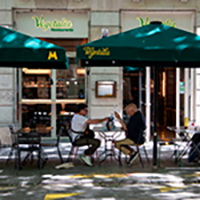
Vegetalia
A restaurant with a menu varied with vegetarian and vegan dishes that offer flavors from different parts of the world and that captivate with their carefully elaborated combinations and presentations.
Address
C/ Escudellers 54
What I recommend
Try the vegan Paella
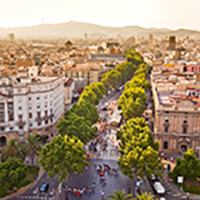
Las Ramblas
A tree-lined pedestrian street, it stretches for 1.2 kilometres connecting the Plaça de Catalunya in its center with the Christopher Columbus Monument at Port Vell.
Address
La Rambla
What I recommend
Visit La Boqueria
Camp Nou
Camp Nou has been FC Barcelona's home since it was officially opened on 24 September 1957. With a capacity of 99,354, it is now the biggest stadium in Europe.
Address
C/Arístides Maillol 12
What I recommend
Do the Stadium and Museum tour